
You have a lean MVP and a group of interested users. Now comes the bridge between a "cool project" and a "real business." Many founders ignore their numbers until they are "big enough," but waiting can be fatal.
Building a sustainable startup requires understanding your Unit Economics from the very beginning. You don't need to be an accountant, but you do need to ensure that as you grow, you aren't just "scaling your losses."
Why "Monetize Later" is a Dangerous Strategy
The "growth at all costs" era has shifted. Today, investors and founders alike prioritize a clear path to profitability. If it costs you $100 to acquire a customer who only pays you $50 over their lifetime, you don't have a growth problem—you have a fundamental business model problem.
As we discussed in Mastering Financial Management for Early Stage Startups, managing your burn rate is essential to survival.
The Two Numbers That Matter Most
To understand your business health, you must track the relationship between these two metrics:
- CAC (Customer Acquisition Cost): How much do you spend on marketing, sales, and time to get one new paying user?
- LTV (Lifetime Value): How much total profit do you expect to make from that customer before they stop using your service?
The Golden Rule: In a healthy startup, your LTV should eventually be at least 3x higher than your CAC. If your CAC is higher than your LTV, you are losing money on every sale.
Choosing Your Revenue Model
Your business model should align with how your customers naturally want to solve their problems. Common models include:
- SaaS (Subscription): Recurring monthly/yearly fees (Great for predictable cash flow).
- Transactional: A fee per use or per sale (Common in marketplaces).
- Freemium: Free basic features with paid "Pro" tiers.
- Tiered Pricing: Different prices for different scales of use (Essential for B2B).
Before committing, perform some competitor research to see what the industry standard is. You don't always have to reinvent the wheel; sometimes, following established pricing patterns reduces friction for your users.
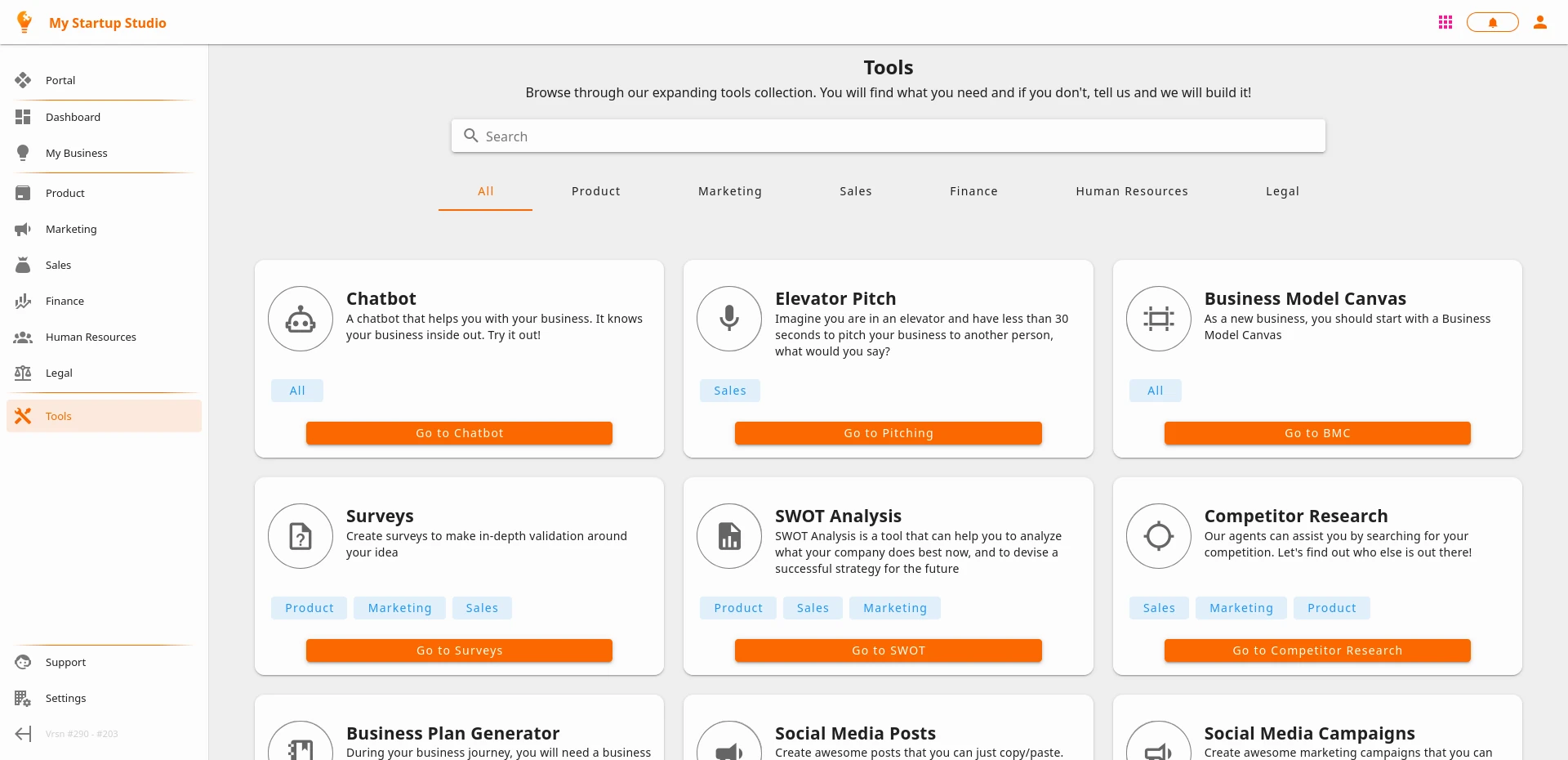
Boost your productivity. Start using our app today.
Save valuable time while learning everything you need
Designing for Scalability
A scalable business is one where costs don't grow at the same rate as revenue.
- Manual vs. Automated: Can your In-app AI-Tools replace manual tasks to keep your margins high?
- User Acquisition: Can you find organic ways to grow? Check out The Importance of User Acquisition to see how to balance paid vs. organic growth.
For universities and incubators helping students navigate these numbers, our partnership page offers resources to help founders build robust financial foundations from day one.
Your Next Step
Open a simple spreadsheet. Estimate what it will cost to get one customer (CAC) and how much they will pay you over a year (LTV). If the math doesn't "pencil out" yet, don't panic—now is the time to adjust your pricing or your acquisition strategy.
You can run these "What-If" scenarios and plan your budget within the MyStartup.Studio App.
Ready to crunch the numbers? Sign in and start your financial roadmap.
More from the Blog:
- The Risks of Not Validating Your Startup Idea
- The Startup Sprint: Fast Tracking Success
- Validating Your Idea Before You Build
Final Article Coming Up: "Finding Your First Believers"—How to acquire your first 10 beta users and start the feedback loop.